
Smart Engineering for a Sustainable Future: Insights from the IESL World Engineering Day 2026 Celebration
By PUBLICITY DIVISION (IESL)
World Engineering Day for Sustainable Development, celebrated annually on 4 March, recognizes the critical role engineers play in addressing global challenges and advancing the United Nations Sustainable Development Goals (SDGs). The 2026 theme, “Smart Engineering for a Sustainable Future through Innovation and Digitalization,” highlights the transformation of traditional engineering practices through digital technologies, data-driven decision-making, and innovative solutions that promote sustainability and resilience.
For Sri Lanka, this theme presents both a challenge and an opportunity. As a developing nation facing economic, environmental, and energy pressures, the country must strategically adopt smart engineering approaches to build a sustainable and competitive future. Achieving this vision requires coordinated efforts across infrastructure, energy, agriculture, industry, and digital ecosystems.
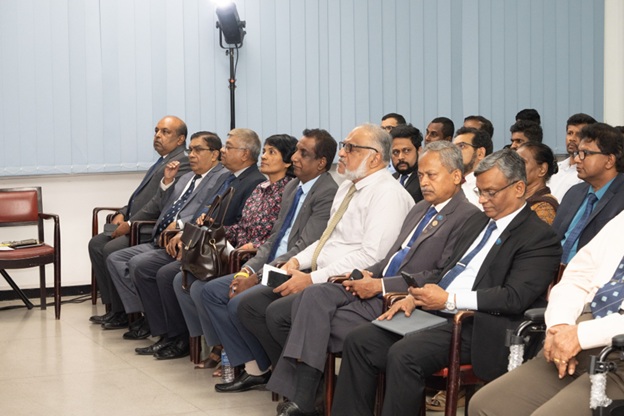
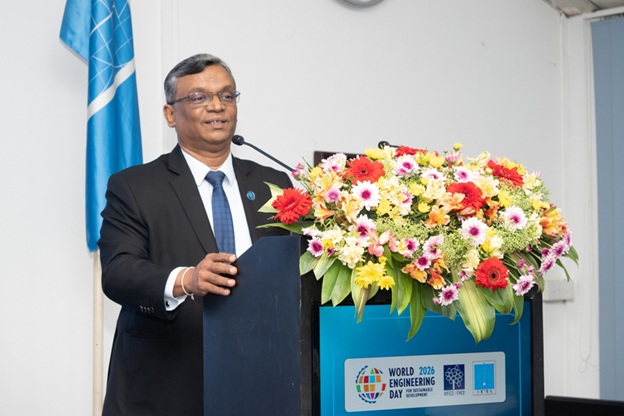
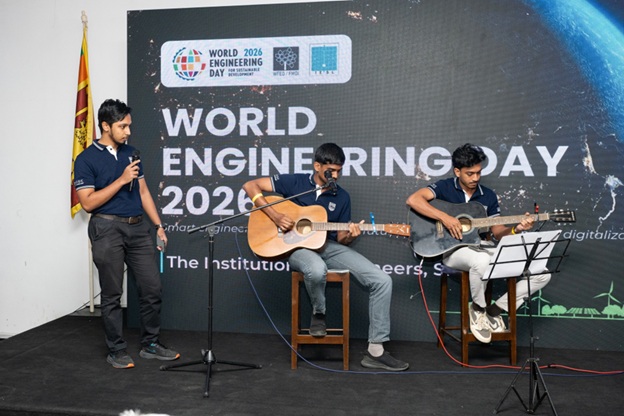
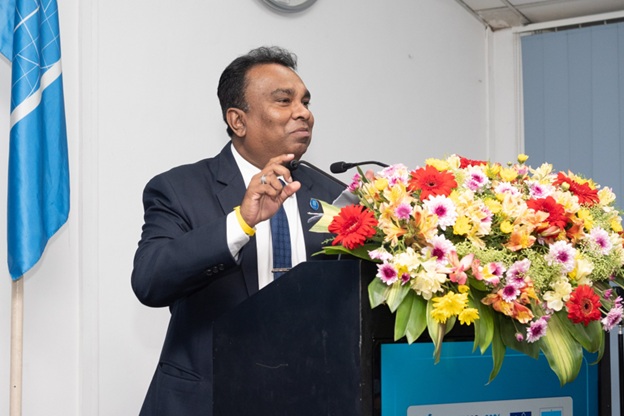
The World Engineering Day 2026 celebration in Sri Lanka was held on 4 March 2026 at the Institution of Engineers, Sri Lanka (IESL) with the participation of engineers, academics, industry professionals, and university students. The event featured a series of technical presentations addressing various aspects of innovation, sustainability, and digital transformation in engineering. Topics presented included energy-efficient buildings, renewable energy transition, smart electricity utilities, digital infrastructure, precision agriculture, sustainable service economies, and emerging digital engineering technologies.
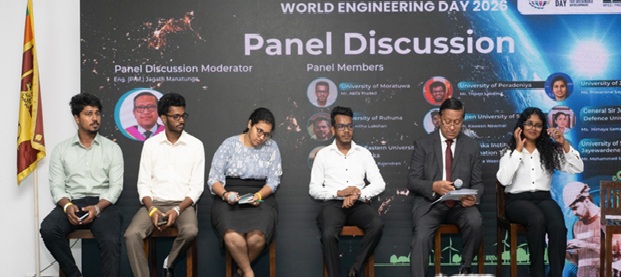
The event also included an interactive panel discussion with university engineering undergraduates, providing students an opportunity to engage directly with industry professionals and researchers on future engineering challenges and opportunities. The session was moderated by Prof. Jagath Manatunga, encouraging dialogue on how the next generation of engineers can contribute to sustainable development through innovation and digitalization. The presentations delivered during the event highlight the growing role of technology-driven engineering solutions in shaping Sri Lanka’s sustainable future.
Sri Lanka faces several pressing challenges including climate vulnerability, rising energy demand, urbanization, and limited natural resources. Although the country contributes relatively little to global greenhouse gas emissions, it remains highly vulnerable to climate impacts and global energy transitions. Therefore, aligning national development strategies with global sustainability trends is essential.
Engineering plays a central role in this transformation. Smart engineering integrates innovation, digital technologies, and sustainability principles to optimize systems, reduce waste, and improve efficiency across sectors. This transformation moves engineering beyond traditional infrastructure development toward intelligent and interconnected systems that support long-term national resilience.
A key requirement for smart engineering is the development of strong digital infrastructure. Telecommunications networks, cloud computing platforms, and IoT systems are becoming the backbone of modern economies.
Sri Lanka has the opportunity to leapfrog traditional development stages by adopting digital-first infrastructure, enabling sectors such as agriculture, health, education, and industry to operate more efficiently through connected digital platforms.
Artificial intelligence and data analytics further strengthen this transformation. By monitoring systems in real time, detecting anomalies, and predicting failures, AI can improve operational efficiency and reduce resource consumption. Such technologies transform infrastructure from static systems into adaptive, self-optimizing ecosystems that support sustainable economic growth.
Energy sustainability is one of the most critical engineering challenges facing Sri Lanka. Buildings account for a significant share of energy consumption, and improving energy efficiency in buildings can greatly reduce national energy demand.
Smart buildings equipped with IoT sensors, building management systems, and data analytics can monitor and optimize energy use automatically. These technologies enable intelligent control of lighting, ventilation, and cooling systems, reducing operational costs while improving comfort and productivity.
At the national level, the energy transition must also accelerate. Global trends indicate a rapid shift from fossil fuels to renewable energy sources, supported by innovations such as battery storage, hydrogen energy, and carbon capture technologies.
Sri Lanka can adopt a diversified strategy that includes renewable energy expansion, energy storage systems, and possibly emerging technologies such as hydrogen-based fuels. Electrification of transport, particularly electric vehicles and rail systems, could significantly reduce emissions while improving urban mobility.
Agriculture remains a vital sector in Sri Lanka’s economy, and smart engineering can greatly enhance its sustainability and productivity. Precision agriculture uses IoT sensors, satellite data, drones, and data analytics to optimize irrigation, fertilizer use, and crop management. By applying the right inputs at the right time and location, farmers can reduce waste, improve yields, and minimize environmental impacts.
Digital decision-support systems also enable better climate adaptation by monitoring soil conditions, weather patterns, and crop health in real time. Such technologies are particularly valuable for Sri Lanka’s plantation sector, including tea cultivation, where climate change and resource constraints are increasing operational challenges.
Innovation is another essential component of smart engineering. Emerging technologies such as drone-based inspections, digital twins, and advanced modeling tools are transforming traditional engineering workflows.
For example, drone-based photogrammetry can be used to inspect telecommunications towers and other infrastructure more safely and efficiently, generating precise digital models for structural analysis and maintenance planning.
Similarly, digital twin technologies allow engineers to simulate and optimize systems before implementation, improving decision-making and reducing costs.
These innovations highlight the importance of integrating engineering expertise with digital technologies to create data-driven and evidence-based solutions.
To fully realize the vision of Smart Engineering for a Sustainable Future, Sri Lanka must adopt a coordinated national approach that strengthens several key areas simultaneously. This includes expanding digital infrastructure such as fibre networks, cloud platforms, and IoT connectivity across the country, while also promoting innovation and research through stronger collaboration between universities, research institutions, and industry. At the same time, developing a new generation of engineers skilled in artificial intelligence, data analytics, and digital engineering practices is essential. Supportive national policies and incentives should also encourage renewable energy, smart transportation, and green infrastructure development. Most importantly, sustained collaboration among government agencies, industry stakeholders, and professional bodies such as the Institution of Engineers Sri Lanka (IESL) will be critical to successfully build and sustain a smart engineering ecosystem in the country.
The 2026 World Engineering Day theme highlights a fundamental transformation in the engineering profession. The future of engineering is not only about building infrastructure but also about designing intelligent, sustainable, and digitally connected systems.
For Sri Lanka, embracing smart engineering can accelerate economic recovery, strengthen environmental resilience, and improve the quality of life for its citizens. By investing in innovation, digital technologies, and sustainable engineering practices, the country can position itself as a regional leader in smart infrastructure and sustainable development.
Engineers will therefore play a decisive role in shaping Sri Lanka’s path toward a smart, sustainable, and digitally empowered future.